
Our Events
Join us in Downtown Brooklyn for live events exploring psychoanalysis and its many intersections with community, culture, and care.
Whether you’re exploring psychoanalysis for the first time or you're a clinician seeking training or continuing education, our events offer space for reflection, dialogue, and connection—from film screenings and town halls to author talks and intimate discussions.
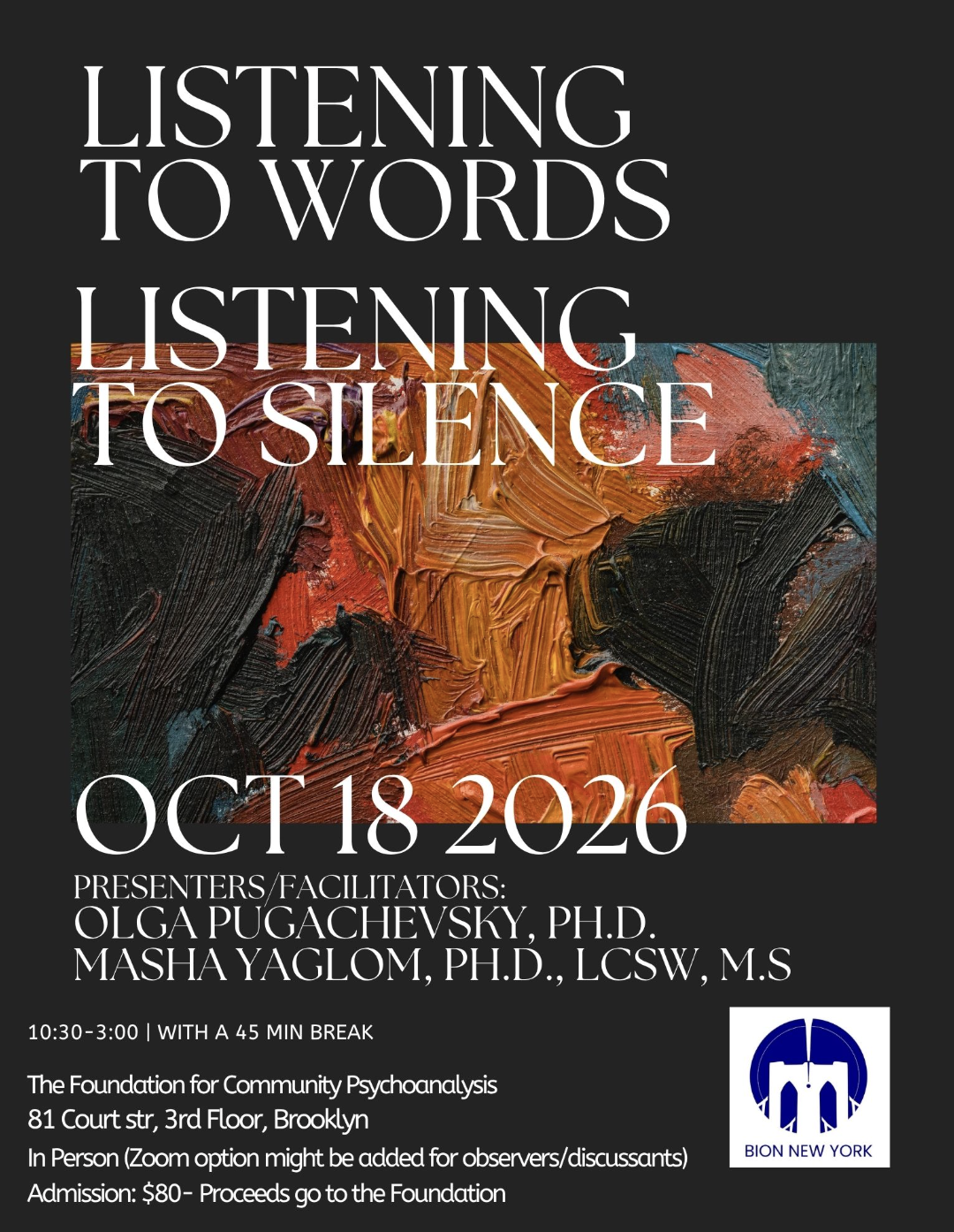
Listening to Words, Listening to Silence
Listening to Words, Listening to Silence is an in-person presentation and experiential workshop with Olga Pugachevsky, Ph.D. and Masha Yaglom, Ph.D., LCSW, M.S., exploring Bionian and Lacanian approaches to listening.
The program is coordinated by Christina Megill, a clinician at FCP and member of FCP’s first fellowship cohort, and will take place at the Foundation for Community Psychoanalysis. The workshop will run from 10:30 a.m.–3:00 p.m. and will include a 45-minute break.
Admission is $80. Proceeds benefit the Foundation for Community Psychoanalysis. Get tickets here.
Constellation Program Open Process Group
A Hearing Voices Network (HVN) inspired group - incorporating a fundamental belief that there are many ways to understand the experience of hearing voices and other unusual or extreme states.
If you are interested in attending, please contact Siena Froment (siena@constellationsnyc.com).
Coming into contact with psychiatric systems can be an experience that leads to stigma and isolation. But what are commonly perceived as symptoms can be understood as forms of knowledge. This is a group to cultivate that knowledge—to discuss values and beliefs, fear and paranoia, seeing and hearing and noticing things that others do not—and to talk about what has happened, what can happen after, and anything else.
In-person on Monday, from 7:15pm - 9:00pm.
In Connection: Relating to Psychosis and Extreme States
A group for loved ones of individuals experiencing psychosis or extreme states.
If you are interested in attending, please contact Siena Froment (siena@constellationsnyc.com).
Being in connection with someone experiencing psychosis or extreme states can be an isolating and distressing experience. Stigma can prevent us from reaching out for support and limit the possibility for change. This group is time to center experience and see what emerges. To talk about the suffering that exists between us — individually and collectively — as well as a path forward.
Using a dialogic and psychodynamic approach, this group places a strong emphasis on understanding oneself in connection to a loved one experiencing psychosis and extreme states. In learning to navigate the impact of the past, present, and future, group members will work toward practicing agency within their social network and beyond.
In-person on Thursday, from 6:30pm - 7:30pm — September 24th through December 17th.
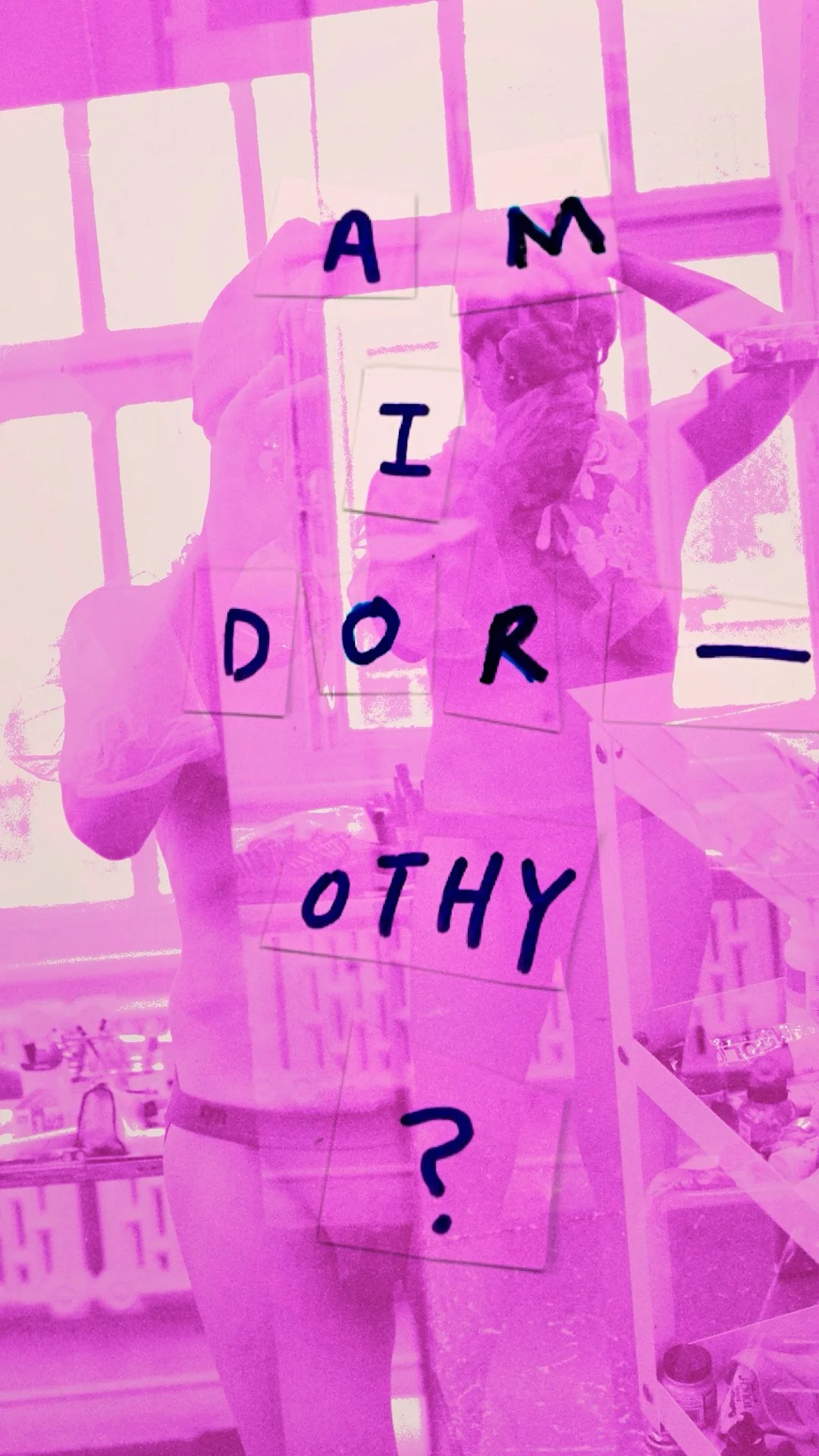
AUTO-EXPOSURE: Curator + Artist Talk
AUTO-EXPOSURE
The Foundation for Community Psychoanalysis
81 Court Street, 3rd Floor, Brooklyn, NY, 11201
Curator + Artist Talk
Sunday October 25, 2026, 4:30pm
Please join us for a curator and artist talk as part of the exhibition Auto-Exposure, currently on view at The Foundation for Community Psychoanalysis. Auto-Exposure brings together seven male-identifying artists who open themselves up to potential humiliation through their use of self. Curator Lydia McCarthy will talk with artists Wayne Koestenbaum, Jake Brush, Jonathan Torres and André Marcel Pagán about the exhibition.
The talk will begin at 5pm, visitors are welcome starting at 4:30pm.
Admission is free. Please RSVP in advance.
RSVP here!
Constellation Program Open Process Group
A Hearing Voices Network (HVN) inspired group - incorporating a fundamental belief that there are many ways to understand the experience of hearing voices and other unusual or extreme states.
If you are interested in attending, please contact Siena Froment (siena@constellationsnyc.com).
Coming into contact with psychiatric systems can be an experience that leads to stigma and isolation. But what are commonly perceived as symptoms can be understood as forms of knowledge. This is a group to cultivate that knowledge—to discuss values and beliefs, fear and paranoia, seeing and hearing and noticing things that others do not—and to talk about what has happened, what can happen after, and anything else.
In-person on Monday, from 7:15pm - 9:00pm.

Mental Health Workers Working Group
If you’re new to this space, please sign up here! Workers in the institutions of community mental health are especially invited, but all are welcome.
The Working Group on Community Mental Health has been meeting at the Foundation for Community Psychoanalysis each month since October 2024 as a place for community mental health workers to reflect on our experience. We analyze features of our own workplaces and features of the system in which we work, for the purposes of doing better work and imagining a better system. We come together with a shared belief that the community mental health system is both critically important and pathologically dysfunctional. Under the current system both workers and patients suffer — frequently in interrelated ways. One of the important sources of dysfunction that affects workers and patients is the fractured nature of the system, a product of many historical forces including austerity and privatization. For that reason and others, our group consists of supportive housing workers, case managers, psychologists, psychiatrists, social workers, peer counselors, art therapists, shelter workers, social practitioners that work for nonprofit day programs, housing programs, public and private hospitals, EMS, street outreach teams, mobile crisis teams, LGBTQ clinics, nonprofit and city-run shelters, FQHCs, ACT and IMT teams, settlement houses and early childhood education programs. We welcome anyone whose work is related to the systems set up to help, support or manage people living with serious mental illnesses.
Sometimes we read and discuss the readings, sometimes people bring their own institutional case studies for group analysis, sometimes we play a “game” or otherwise simulate or investigate how our specific institutions have the same problems, have opposite problems, have related problems, share problems, pass problems around and around in a circle, how they make problems for each other or become each other’s problems.
The group is facilitated by Chris Landry, Chloe Murtagh and Jesse Newberg. The group typically meets on the last Wednesday of the month at 6:30pm.
In Connection: Relating to Psychosis and Extreme States
A group for loved ones of individuals experiencing psychosis or extreme states.
If you are interested in attending, please contact Siena Froment (siena@constellationsnyc.com).
Being in connection with someone experiencing psychosis or extreme states can be an isolating and distressing experience. Stigma can prevent us from reaching out for support and limit the possibility for change. This group is time to center experience and see what emerges. To talk about the suffering that exists between us — individually and collectively — as well as a path forward.
Using a dialogic and psychodynamic approach, this group places a strong emphasis on understanding oneself in connection to a loved one experiencing psychosis and extreme states. In learning to navigate the impact of the past, present, and future, group members will work toward practicing agency within their social network and beyond.
In-person on Thursday, from 6:30pm - 7:30pm — September 24th through December 17th.
Constellation Program Open Process Group
A Hearing Voices Network (HVN) inspired group - incorporating a fundamental belief that there are many ways to understand the experience of hearing voices and other unusual or extreme states.
If you are interested in attending, please contact Siena Froment (siena@constellationsnyc.com).
Coming into contact with psychiatric systems can be an experience that leads to stigma and isolation. But what are commonly perceived as symptoms can be understood as forms of knowledge. This is a group to cultivate that knowledge—to discuss values and beliefs, fear and paranoia, seeing and hearing and noticing things that others do not—and to talk about what has happened, what can happen after, and anything else.
In-person on Monday, from 7:15pm - 9:00pm.
In Connection: Relating to Psychosis and Extreme States
A group for loved ones of individuals experiencing psychosis or extreme states.
If you are interested in attending, please contact Siena Froment (siena@constellationsnyc.com).
Being in connection with someone experiencing psychosis or extreme states can be an isolating and distressing experience. Stigma can prevent us from reaching out for support and limit the possibility for change. This group is time to center experience and see what emerges. To talk about the suffering that exists between us — individually and collectively — as well as a path forward.
Using a dialogic and psychodynamic approach, this group places a strong emphasis on understanding oneself in connection to a loved one experiencing psychosis and extreme states. In learning to navigate the impact of the past, present, and future, group members will work toward practicing agency within their social network and beyond.
In-person on Thursday, from 6:30pm - 7:30pm — September 24th through December 17th.
In Connection: Relating to Psychosis and Extreme States
A group for loved ones of individuals experiencing psychosis or extreme states.
If you are interested in attending, please contact Siena Froment (siena@constellationsnyc.com).
Being in connection with someone experiencing psychosis or extreme states can be an isolating and distressing experience. Stigma can prevent us from reaching out for support and limit the possibility for change. This group is time to center experience and see what emerges. To talk about the suffering that exists between us — individually and collectively — as well as a path forward.
Using a dialogic and psychodynamic approach, this group places a strong emphasis on understanding oneself in connection to a loved one experiencing psychosis and extreme states. In learning to navigate the impact of the past, present, and future, group members will work toward practicing agency within their social network and beyond.
In-person on Thursday, from 6:30pm - 7:30pm — September 24th through December 17th.

BISR Course: Annie Ernaux: Shame and the Politics of Memory
Course Schedule
November 17 — December 15, 2026 (4 non-consecutive weeks)
Tuesdays, 6:30-9:30pm
Instructor: Danielle Drori
What does it mean to describe one’s drive to write as a lifelong struggle against loneliness and forgetfulness? Annie Ernaux, whose “courage and clinical acuity” in writing earned her the Nobel prize in 2022, takes the matter of her own working-class milieu as the stuff of literature: her factory worker parents, their lives on either side of WWII, her personal experience of illegal abortion, the ungovernable vicissitudes of sexual desire, illicit affairs, marriage, and divorce. Setting herself apart from earlier writers with comparable drives yet very different class affiliations—Marcel Proust, Virginia Woolf—Ernaux’s perspicacious voice proceeds from within a specific gendered and classed experience, one that necessarily complicates the literary first-person and consequently makes, for Ernaux, writing a profoundly political activity. How can we read Ernaux’s singular body of work with and apart from the writers who inspired it—Proust, Woolf, Roland Barthes—and as itself an inspiration to the burgeoning genre of contemporary autofiction?
In this course, we will read widely across Ernaux’s work—including A Man’s Place, A Woman’s Story, Shame, Happening, and The Young Man—in order to ask, both broadly and in textual detail: What can we make of the “clinical acuity” attributed to her style? How does her writing seek to translate affect into language? What, if any, is the relationship between gender and genre (in French, the same word)? How does widespread acclaim contribute to the canonization of working-class and feminine experience—and to what end? Does Ernaux’s writing live up to her own claim that “when the unspeakable is brought to light, it’s political”?
Brooklyn Institute for Social Research is an interdisciplinary teaching and research institute that offers critical, community-based education in the humanities and social sciences. Holding courses both online and in-person (in New York City and beyond), we integrate rigorous but accessible scholarly study with the everyday lives of working adults and re-imagine scholarship for the 21st century.
In Connection: Relating to Psychosis and Extreme States
A group for loved ones of individuals experiencing psychosis or extreme states.
If you are interested in attending, please contact Siena Froment (siena@constellationsnyc.com).
Being in connection with someone experiencing psychosis or extreme states can be an isolating and distressing experience. Stigma can prevent us from reaching out for support and limit the possibility for change. This group is time to center experience and see what emerges. To talk about the suffering that exists between us — individually and collectively — as well as a path forward.
Using a dialogic and psychodynamic approach, this group places a strong emphasis on understanding oneself in connection to a loved one experiencing psychosis and extreme states. In learning to navigate the impact of the past, present, and future, group members will work toward practicing agency within their social network and beyond.
In-person on Thursday, from 6:30pm - 7:30pm — September 24th through December 17th.
BISR Course: Annie Ernaux: Shame and the Politics of Memory
Course Schedule
November 17 — December 15, 2026 (4 non-consecutive weeks)
Tuesdays, 6:30-9:30pm
Instructor: Danielle Drori
What does it mean to describe one’s drive to write as a lifelong struggle against loneliness and forgetfulness? Annie Ernaux, whose “courage and clinical acuity” in writing earned her the Nobel prize in 2022, takes the matter of her own working-class milieu as the stuff of literature: her factory worker parents, their lives on either side of WWII, her personal experience of illegal abortion, the ungovernable vicissitudes of sexual desire, illicit affairs, marriage, and divorce. Setting herself apart from earlier writers with comparable drives yet very different class affiliations—Marcel Proust, Virginia Woolf—Ernaux’s perspicacious voice proceeds from within a specific gendered and classed experience, one that necessarily complicates the literary first-person and consequently makes, for Ernaux, writing a profoundly political activity. How can we read Ernaux’s singular body of work with and apart from the writers who inspired it—Proust, Woolf, Roland Barthes—and as itself an inspiration to the burgeoning genre of contemporary autofiction?
In this course, we will read widely across Ernaux’s work—including A Man’s Place, A Woman’s Story, Shame, Happening, and The Young Man—in order to ask, both broadly and in textual detail: What can we make of the “clinical acuity” attributed to her style? How does her writing seek to translate affect into language? What, if any, is the relationship between gender and genre (in French, the same word)? How does widespread acclaim contribute to the canonization of working-class and feminine experience—and to what end? Does Ernaux’s writing live up to her own claim that “when the unspeakable is brought to light, it’s political”?
Brooklyn Institute for Social Research is an interdisciplinary teaching and research institute that offers critical, community-based education in the humanities and social sciences. Holding courses both online and in-person (in New York City and beyond), we integrate rigorous but accessible scholarly study with the everyday lives of working adults and re-imagine scholarship for the 21st century.
In Connection: Relating to Psychosis and Extreme States
A group for loved ones of individuals experiencing psychosis or extreme states.
If you are interested in attending, please contact Siena Froment (siena@constellationsnyc.com).
Being in connection with someone experiencing psychosis or extreme states can be an isolating and distressing experience. Stigma can prevent us from reaching out for support and limit the possibility for change. This group is time to center experience and see what emerges. To talk about the suffering that exists between us — individually and collectively — as well as a path forward.
Using a dialogic and psychodynamic approach, this group places a strong emphasis on understanding oneself in connection to a loved one experiencing psychosis and extreme states. In learning to navigate the impact of the past, present, and future, group members will work toward practicing agency within their social network and beyond.
In-person on Thursday, from 6:30pm - 7:30pm — September 24th through December 17th.
BISR Course: Annie Ernaux: Shame and the Politics of Memory
Course Schedule
November 17 — December 15, 2026 (4 non-consecutive weeks)
Tuesdays, 6:30-9:30pm
Instructor: Danielle Drori
What does it mean to describe one’s drive to write as a lifelong struggle against loneliness and forgetfulness? Annie Ernaux, whose “courage and clinical acuity” in writing earned her the Nobel prize in 2022, takes the matter of her own working-class milieu as the stuff of literature: her factory worker parents, their lives on either side of WWII, her personal experience of illegal abortion, the ungovernable vicissitudes of sexual desire, illicit affairs, marriage, and divorce. Setting herself apart from earlier writers with comparable drives yet very different class affiliations—Marcel Proust, Virginia Woolf—Ernaux’s perspicacious voice proceeds from within a specific gendered and classed experience, one that necessarily complicates the literary first-person and consequently makes, for Ernaux, writing a profoundly political activity. How can we read Ernaux’s singular body of work with and apart from the writers who inspired it—Proust, Woolf, Roland Barthes—and as itself an inspiration to the burgeoning genre of contemporary autofiction?
In this course, we will read widely across Ernaux’s work—including A Man’s Place, A Woman’s Story, Shame, Happening, and The Young Man—in order to ask, both broadly and in textual detail: What can we make of the “clinical acuity” attributed to her style? How does her writing seek to translate affect into language? What, if any, is the relationship between gender and genre (in French, the same word)? How does widespread acclaim contribute to the canonization of working-class and feminine experience—and to what end? Does Ernaux’s writing live up to her own claim that “when the unspeakable is brought to light, it’s political”?
Brooklyn Institute for Social Research is an interdisciplinary teaching and research institute that offers critical, community-based education in the humanities and social sciences. Holding courses both online and in-person (in New York City and beyond), we integrate rigorous but accessible scholarly study with the everyday lives of working adults and re-imagine scholarship for the 21st century.
In Connection: Relating to Psychosis and Extreme States
A group for loved ones of individuals experiencing psychosis or extreme states.
If you are interested in attending, please contact Siena Froment (siena@constellationsnyc.com).
Being in connection with someone experiencing psychosis or extreme states can be an isolating and distressing experience. Stigma can prevent us from reaching out for support and limit the possibility for change. This group is time to center experience and see what emerges. To talk about the suffering that exists between us — individually and collectively — as well as a path forward.
Using a dialogic and psychodynamic approach, this group places a strong emphasis on understanding oneself in connection to a loved one experiencing psychosis and extreme states. In learning to navigate the impact of the past, present, and future, group members will work toward practicing agency within their social network and beyond.
In-person on Thursday, from 6:30pm - 7:30pm — September 24th through December 17th.
BISR Course: Annie Ernaux: Shame and the Politics of Memory
Course Schedule
November 17 — December 15, 2026 (4 non-consecutive weeks)
Tuesdays, 6:30-9:30pm
Instructor: Danielle Drori
What does it mean to describe one’s drive to write as a lifelong struggle against loneliness and forgetfulness? Annie Ernaux, whose “courage and clinical acuity” in writing earned her the Nobel prize in 2022, takes the matter of her own working-class milieu as the stuff of literature: her factory worker parents, their lives on either side of WWII, her personal experience of illegal abortion, the ungovernable vicissitudes of sexual desire, illicit affairs, marriage, and divorce. Setting herself apart from earlier writers with comparable drives yet very different class affiliations—Marcel Proust, Virginia Woolf—Ernaux’s perspicacious voice proceeds from within a specific gendered and classed experience, one that necessarily complicates the literary first-person and consequently makes, for Ernaux, writing a profoundly political activity. How can we read Ernaux’s singular body of work with and apart from the writers who inspired it—Proust, Woolf, Roland Barthes—and as itself an inspiration to the burgeoning genre of contemporary autofiction?
In this course, we will read widely across Ernaux’s work—including A Man’s Place, A Woman’s Story, Shame, Happening, and The Young Man—in order to ask, both broadly and in textual detail: What can we make of the “clinical acuity” attributed to her style? How does her writing seek to translate affect into language? What, if any, is the relationship between gender and genre (in French, the same word)? How does widespread acclaim contribute to the canonization of working-class and feminine experience—and to what end? Does Ernaux’s writing live up to her own claim that “when the unspeakable is brought to light, it’s political”?
Brooklyn Institute for Social Research is an interdisciplinary teaching and research institute that offers critical, community-based education in the humanities and social sciences. Holding courses both online and in-person (in New York City and beyond), we integrate rigorous but accessible scholarly study with the everyday lives of working adults and re-imagine scholarship for the 21st century.
In Connection: Relating to Psychosis and Extreme States
A group for loved ones of individuals experiencing psychosis or extreme states.
If you are interested in attending, please contact Siena Froment (siena@constellationsnyc.com).
Being in connection with someone experiencing psychosis or extreme states can be an isolating and distressing experience. Stigma can prevent us from reaching out for support and limit the possibility for change. This group is time to center experience and see what emerges. To talk about the suffering that exists between us — individually and collectively — as well as a path forward.
Using a dialogic and psychodynamic approach, this group places a strong emphasis on understanding oneself in connection to a loved one experiencing psychosis and extreme states. In learning to navigate the impact of the past, present, and future, group members will work toward practicing agency within their social network and beyond.
In-person on Thursday, from 6:30pm - 7:30pm — September 24th through December 17th.
In Connection: Relating to Psychosis and Extreme States
A group for loved ones of individuals experiencing psychosis or extreme states.
If you are interested in attending, please contact Siena Froment (siena@constellationsnyc.com).
Being in connection with someone experiencing psychosis or extreme states can be an isolating and distressing experience. Stigma can prevent us from reaching out for support and limit the possibility for change. This group is time to center experience and see what emerges. To talk about the suffering that exists between us — individually and collectively — as well as a path forward.
Using a dialogic and psychodynamic approach, this group places a strong emphasis on understanding oneself in connection to a loved one experiencing psychosis and extreme states. In learning to navigate the impact of the past, present, and future, group members will work toward practicing agency within their social network and beyond.
In-person on Thursday, from 6:30pm - 7:30pm — September 24th through December 17th.
Constellation Program Open Process Group
A Hearing Voices Network (HVN) inspired group - incorporating a fundamental belief that there are many ways to understand the experience of hearing voices and other unusual or extreme states.
If you are interested in attending, please contact Siena Froment (siena@constellationsnyc.com).
Coming into contact with psychiatric systems can be an experience that leads to stigma and isolation. But what are commonly perceived as symptoms can be understood as forms of knowledge. This is a group to cultivate that knowledge—to discuss values and beliefs, fear and paranoia, seeing and hearing and noticing things that others do not—and to talk about what has happened, what can happen after, and anything else.
In-person on Monday, from 7:15pm - 9:00pm.
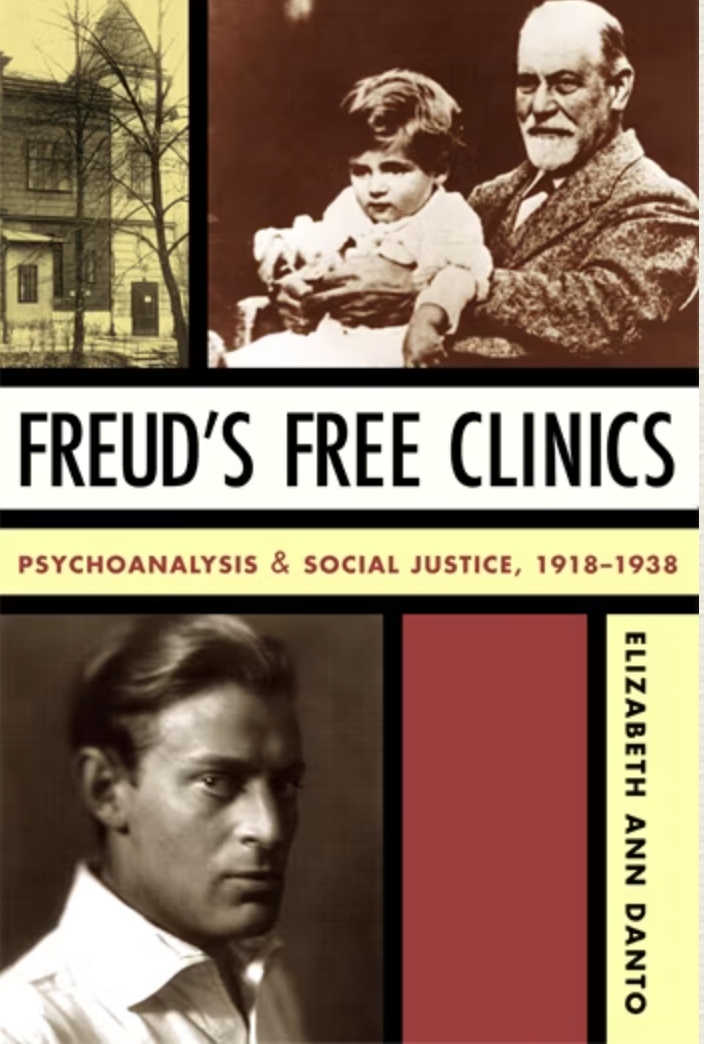
The Urge Toward Unity: On the Origins of Community Psychoanalysis
Elizabeth Danto, PhD joins the Chicago Center for Psychoanalysis and the Foundation for Community Psychoanalysis for a public lecture on the origins of community psychoanalysis and the lessons early psychoanalytic history can offer to contemporary practice.
This event will take place in person at the Foundation for Community Psychoanalysis in Downtown Brooklyn and will also be shared live with CCP’s audience online.
Please register through FCP if you plan to attend in person. If you plan to attend remotely, please register through CCP’s Zoom registration link.
Free to register. To attend in person at FCP, please register here. To attend remotely via Zoom, please register through CCP here.
In Connection: Relating to Psychosis and Extreme States
A group for loved ones of individuals experiencing psychosis or extreme states.
If you are interested in attending, please contact Siena Froment (siena@constellationsnyc.com).
Being in connection with someone experiencing psychosis or extreme states can be an isolating and distressing experience. Stigma can prevent us from reaching out for support and limit the possibility for change. This group is time to center experience and see what emerges. To talk about the suffering that exists between us — individually and collectively — as well as a path forward.
Using a dialogic and psychodynamic approach, this group places a strong emphasis on understanding oneself in connection to a loved one experiencing psychosis and extreme states. In learning to navigate the impact of the past, present, and future, group members will work toward practicing agency within their social network and beyond.
In-person on Thursday, from 6:30pm - 7:30pm — September 24th through December 17th.
BISR Course: Sigmund Freud: Three Essays on the Theory of Sexuality
Course Schedule
September 15 — October 6, 2026 (4 consecutive weeks)
Tuesdays, 6:30-9:30pm
Instructor: Danielle Drori
Sigmund Freud’s Three Essays on the Theory of Sexuality places sexuality at the heart of psychic development. Insisting on a sexual drive with a perverse core, Freud’s theory affirmed the existence of sexuality in children while rejecting its ostensible foundations in heteronormative love and biological reproduction. First published in 1905, the Three Essays underwent repeated revisions, as Freud added and rewrote full paragraphs to share new findings and reply to critics (who found many of his ideas, in particular that of infantile sexuality, ludicrous). Was it the unruly nature of sexuality itself that led Freud to return compulsively to Three Essays on the Theory of Sexuality? Did he know that psychoanalysis, the field he founded, would never stop wrestling with his ideas about the centrality of sex and sexuality to human behavior?
In this course, we will read Three Essays on the Theory of Sexuality in an attempt to make sense of both the text itself and the very idea of sexuality as a force that is both constructive and destructive. Sense may fail us, but we will learn, through close readings and an attention to contradictions, about the Oedipus Complex, the anal and oral developmental stages, universal bisexuality, sadism, masochism, and perversion. We will examine Freud’s views on female sexuality and homosexuality, engaging major critiques by feminist and gender theorists. Finally, we will distinguish between sex and sexuality and ask how Freud’s ideas may throw light on contemporary debates on trans desire, trad wives, and gender neutral bathrooms.
Brooklyn Institute for Social Research is an interdisciplinary teaching and research institute that offers critical, community-based education in the humanities and social sciences. Holding courses both online and in-person (in New York City and beyond), we integrate rigorous but accessible scholarly study with the everyday lives of working adults and re-imagine scholarship for the 21st century.
In Connection: Relating to Psychosis and Extreme States
A group for loved ones of individuals experiencing psychosis or extreme states.
If you are interested in attending, please contact Siena Froment (siena@constellationsnyc.com).
Being in connection with someone experiencing psychosis or extreme states can be an isolating and distressing experience. Stigma can prevent us from reaching out for support and limit the possibility for change. This group is time to center experience and see what emerges. To talk about the suffering that exists between us — individually and collectively — as well as a path forward.
Using a dialogic and psychodynamic approach, this group places a strong emphasis on understanding oneself in connection to a loved one experiencing psychosis and extreme states. In learning to navigate the impact of the past, present, and future, group members will work toward practicing agency within their social network and beyond.
In-person on Thursday, from 6:30pm - 7:30pm — September 24th through December 17th.
Mental Health Workers Working Group
If you’re new to this space, please sign up here! Workers in the institutions of community mental health are especially invited, but all are welcome.
The Working Group on Community Mental Health has been meeting at the Foundation for Community Psychoanalysis each month since October 2024 as a place for community mental health workers to reflect on our experience. We analyze features of our own workplaces and features of the system in which we work, for the purposes of doing better work and imagining a better system. We come together with a shared belief that the community mental health system is both critically important and pathologically dysfunctional. Under the current system both workers and patients suffer — frequently in interrelated ways. One of the important sources of dysfunction that affects workers and patients is the fractured nature of the system, a product of many historical forces including austerity and privatization. For that reason and others, our group consists of supportive housing workers, case managers, psychologists, psychiatrists, social workers, peer counselors, art therapists, shelter workers, social practitioners that work for nonprofit day programs, housing programs, public and private hospitals, EMS, street outreach teams, mobile crisis teams, LGBTQ clinics, nonprofit and city-run shelters, FQHCs, ACT and IMT teams, settlement houses and early childhood education programs. We welcome anyone whose work is related to the systems set up to help, support or manage people living with serious mental illnesses.
Sometimes we read and discuss the readings, sometimes people bring their own institutional case studies for group analysis, sometimes we play a “game” or otherwise simulate or investigate how our specific institutions have the same problems, have opposite problems, have related problems, share problems, pass problems around and around in a circle, how they make problems for each other or become each other’s problems.
The group is facilitated by Chris Landry, Chloe Murtagh and Jesse Newberg. The group typically meets on the last Wednesday of the month at 6:30pm.
BISR Course: Sigmund Freud: Three Essays on the Theory of Sexuality
Course Schedule
September 15 — October 6, 2026 (4 consecutive weeks)
Tuesdays, 6:30-9:30pm
Instructor: Danielle Drori
Sigmund Freud’s Three Essays on the Theory of Sexuality places sexuality at the heart of psychic development. Insisting on a sexual drive with a perverse core, Freud’s theory affirmed the existence of sexuality in children while rejecting its ostensible foundations in heteronormative love and biological reproduction. First published in 1905, the Three Essays underwent repeated revisions, as Freud added and rewrote full paragraphs to share new findings and reply to critics (who found many of his ideas, in particular that of infantile sexuality, ludicrous). Was it the unruly nature of sexuality itself that led Freud to return compulsively to Three Essays on the Theory of Sexuality? Did he know that psychoanalysis, the field he founded, would never stop wrestling with his ideas about the centrality of sex and sexuality to human behavior?
In this course, we will read Three Essays on the Theory of Sexuality in an attempt to make sense of both the text itself and the very idea of sexuality as a force that is both constructive and destructive. Sense may fail us, but we will learn, through close readings and an attention to contradictions, about the Oedipus Complex, the anal and oral developmental stages, universal bisexuality, sadism, masochism, and perversion. We will examine Freud’s views on female sexuality and homosexuality, engaging major critiques by feminist and gender theorists. Finally, we will distinguish between sex and sexuality and ask how Freud’s ideas may throw light on contemporary debates on trans desire, trad wives, and gender neutral bathrooms.
Brooklyn Institute for Social Research is an interdisciplinary teaching and research institute that offers critical, community-based education in the humanities and social sciences. Holding courses both online and in-person (in New York City and beyond), we integrate rigorous but accessible scholarly study with the everyday lives of working adults and re-imagine scholarship for the 21st century.
In Connection: Relating to Psychosis and Extreme States
A group for loved ones of individuals experiencing psychosis or extreme states.
If you are interested in attending, please contact Siena Froment (siena@constellationsnyc.com).
Being in connection with someone experiencing psychosis or extreme states can be an isolating and distressing experience. Stigma can prevent us from reaching out for support and limit the possibility for change. This group is time to center experience and see what emerges. To talk about the suffering that exists between us — individually and collectively — as well as a path forward.
Using a dialogic and psychodynamic approach, this group places a strong emphasis on understanding oneself in connection to a loved one experiencing psychosis and extreme states. In learning to navigate the impact of the past, present, and future, group members will work toward practicing agency within their social network and beyond.
In-person on Thursday, from 6:30pm - 7:30pm — September 24th through December 17th.
BISR Course: Sigmund Freud: Three Essays on the Theory of Sexuality
Course Schedule
September 15 — October 6, 2026 (4 consecutive weeks)
Tuesdays, 6:30-9:30pm
Instructor: Danielle Drori
Sigmund Freud’s Three Essays on the Theory of Sexuality places sexuality at the heart of psychic development. Insisting on a sexual drive with a perverse core, Freud’s theory affirmed the existence of sexuality in children while rejecting its ostensible foundations in heteronormative love and biological reproduction. First published in 1905, the Three Essays underwent repeated revisions, as Freud added and rewrote full paragraphs to share new findings and reply to critics (who found many of his ideas, in particular that of infantile sexuality, ludicrous). Was it the unruly nature of sexuality itself that led Freud to return compulsively to Three Essays on the Theory of Sexuality? Did he know that psychoanalysis, the field he founded, would never stop wrestling with his ideas about the centrality of sex and sexuality to human behavior?
In this course, we will read Three Essays on the Theory of Sexuality in an attempt to make sense of both the text itself and the very idea of sexuality as a force that is both constructive and destructive. Sense may fail us, but we will learn, through close readings and an attention to contradictions, about the Oedipus Complex, the anal and oral developmental stages, universal bisexuality, sadism, masochism, and perversion. We will examine Freud’s views on female sexuality and homosexuality, engaging major critiques by feminist and gender theorists. Finally, we will distinguish between sex and sexuality and ask how Freud’s ideas may throw light on contemporary debates on trans desire, trad wives, and gender neutral bathrooms.
Brooklyn Institute for Social Research is an interdisciplinary teaching and research institute that offers critical, community-based education in the humanities and social sciences. Holding courses both online and in-person (in New York City and beyond), we integrate rigorous but accessible scholarly study with the everyday lives of working adults and re-imagine scholarship for the 21st century.
BISR Course: Sigmund Freud: Three Essays on the Theory of Sexuality
Course Schedule
September 15 — October 6, 2026 (4 consecutive weeks)
Tuesdays, 6:30-9:30pm
Instructor: Danielle Drori
Sigmund Freud’s Three Essays on the Theory of Sexuality places sexuality at the heart of psychic development. Insisting on a sexual drive with a perverse core, Freud’s theory affirmed the existence of sexuality in children while rejecting its ostensible foundations in heteronormative love and biological reproduction. First published in 1905, the Three Essays underwent repeated revisions, as Freud added and rewrote full paragraphs to share new findings and reply to critics (who found many of his ideas, in particular that of infantile sexuality, ludicrous). Was it the unruly nature of sexuality itself that led Freud to return compulsively to Three Essays on the Theory of Sexuality? Did he know that psychoanalysis, the field he founded, would never stop wrestling with his ideas about the centrality of sex and sexuality to human behavior?
In this course, we will read Three Essays on the Theory of Sexuality in an attempt to make sense of both the text itself and the very idea of sexuality as a force that is both constructive and destructive. Sense may fail us, but we will learn, through close readings and an attention to contradictions, about the Oedipus Complex, the anal and oral developmental stages, universal bisexuality, sadism, masochism, and perversion. We will examine Freud’s views on female sexuality and homosexuality, engaging major critiques by feminist and gender theorists. Finally, we will distinguish between sex and sexuality and ask how Freud’s ideas may throw light on contemporary debates on trans desire, trad wives, and gender neutral bathrooms.
Brooklyn Institute for Social Research is an interdisciplinary teaching and research institute that offers critical, community-based education in the humanities and social sciences. Holding courses both online and in-person (in New York City and beyond), we integrate rigorous but accessible scholarly study with the everyday lives of working adults and re-imagine scholarship for the 21st century.
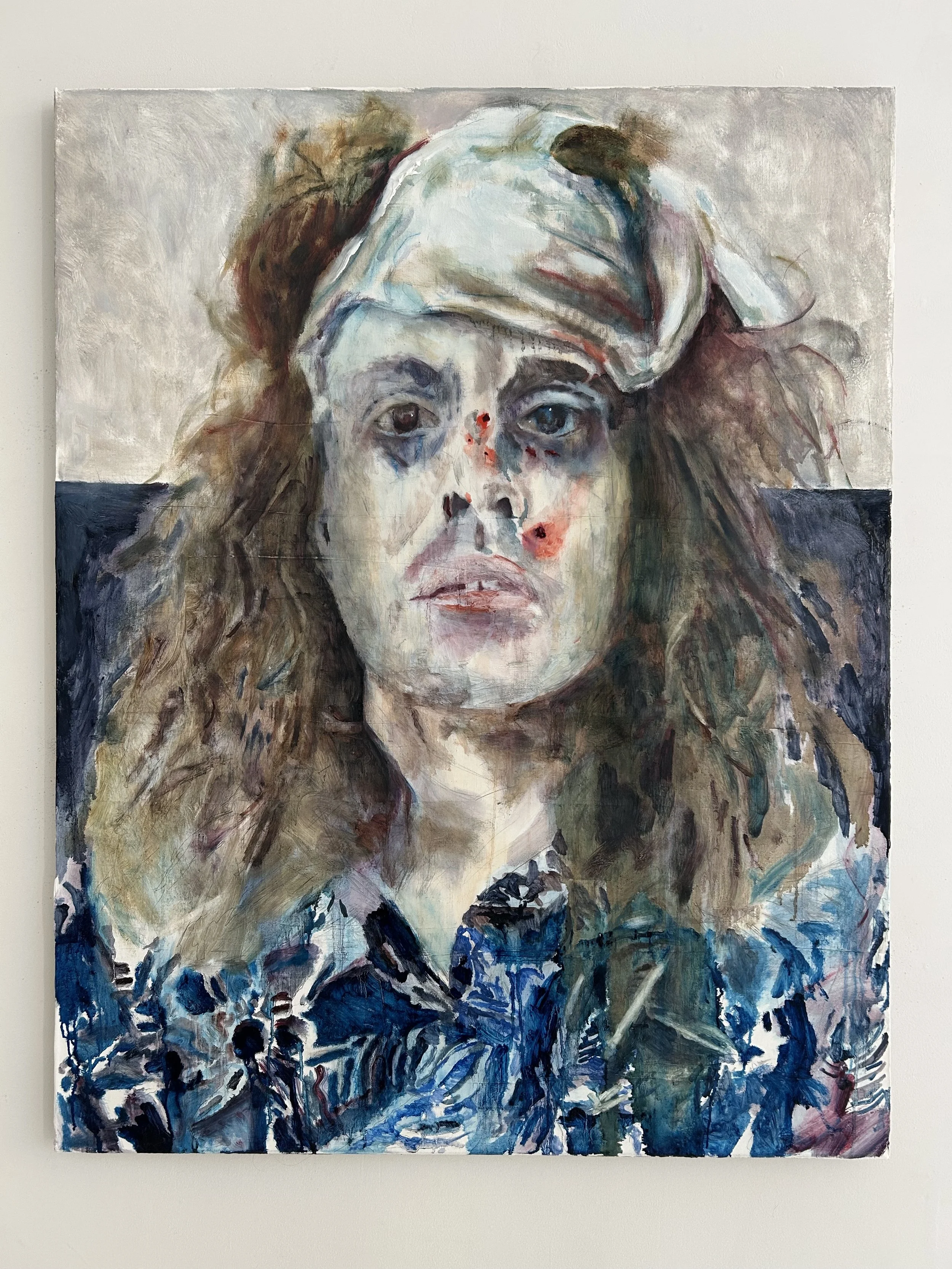
AUTO-EXPOSURE: Opening Reception
On view September 12–December 6, 2026
Opening reception: Saturday, September 12, 5:00–7:00 PM
Curated by Lydia McCarthy
Featuring David Kennedy Cutler, Wayne Koestenbaum, Kalup Linzy, André Marcel Pagán, Jonathan Torres, Alan Turner, and Jake Brush.
Can you be willingly humiliated? A kind of auto-humiliation? Or does participation in your own humiliation nullify it? These seven artists expose themselves willingly, opening up versions of themselves in video, painting, photography, and sculpture.
To be humiliated is to be made humble, to be reminded of your humanity through its attempted disavowal. Private acts, vulnerabilities, hidden thoughts, and feelings can lead to humiliation when made visible within the context of contemporary normative culture, engendering shame. By taking agency in the act of humiliation, repeating what originally led to a feeling of separateness and otherness, liberation from shame feels possible. Survival of the experience can create a deeper resiliency and sense of empowerment.
Humiliation becomes riskier in a tightly controlled society, with higher stakes for those who dare to offer themselves up for ridicule. For masculine bodies it becomes an even bolder statement, an act of resistance to a culture obsessed with protecting masculinity’s image. To admit fallibility, to reveal weakness and the reality of humanness in masculinity threatens the illusory fabric that protects those in power. By letting it all hang out, there is an admission that we cannot be saved by saving face.
Art making contains an inherent potential to be humiliated. Art can reveal something deep, unutterable, with traces of the unconscious emerging through the process in unpredictable ways. Placing it on display and at the mercy of the other creates the conditions for humiliation; it requires a witness. The viewer becomes complicit in the act, completing the loop. Each of these artists engages in a kind of auto-exposure, opening themselves up to humiliation.
Image: Jonathan Torres, Mugshot, 2025. Oil on linen, 48 × 38 in.
Constellations Open Group
A Hearing Voices Network (HVN) inspired group - incorporating a fundamental belief that there are many ways to understand the experience of hearing voices and other unusual or extreme states.
If you are interested in attending, please contact Siena Froment (siena@constellationsnyc.com).
Coming into contact with psychiatric systems can be an experience that leads to stigma and isolation. But what are commonly perceived as symptoms can be understood as forms of knowledge. This is a group to cultivate that knowledge—to discuss values and beliefs, fear and paranoia, seeing and hearing and noticing things that others do not—and to talk about what has happened, what can happen after, and anything else.
In-person on Monday, from 7:15pm - 9:00pm.
Mental Health Workers Working Group
If you’re new to this space, please sign up here! Workers in the institutions of community mental health are especially invited, but all are welcome.
The Working Group on Community Mental Health has been meeting at the Foundation for Community Psychoanalysis each month since October 2024 as a place for community mental health workers to reflect on our experience. We analyze features of our own workplaces and features of the system in which we work, for the purposes of doing better work and imagining a better system. We come together with a shared belief that the community mental health system is both critically important and pathologically dysfunctional. Under the current system both workers and patients suffer — frequently in interrelated ways. One of the important sources of dysfunction that affects workers and patients is the fractured nature of the system, a product of many historical forces including austerity and privatization. For that reason and others, our group consists of supportive housing workers, case managers, psychologists, psychiatrists, social workers, peer counselors, art therapists, shelter workers, social practitioners that work for nonprofit day programs, housing programs, public and private hospitals, EMS, street outreach teams, mobile crisis teams, LGBTQ clinics, nonprofit and city-run shelters, FQHCs, ACT and IMT teams, settlement houses and early childhood education programs. We welcome anyone whose work is related to the systems set up to help, support or manage people living with serious mental illnesses.
Sometimes we read and discuss the readings, sometimes people bring their own institutional case studies for group analysis, sometimes we play a “game” or otherwise simulate or investigate how our specific institutions have the same problems, have opposite problems, have related problems, share problems, pass problems around and around in a circle, how they make problems for each other or become each other’s problems.
The group is facilitated by Chris Landry, Chloe Murtagh and Jesse Newberg. The group typically meets on the last Wednesday of the month at 6:30pm.
Constellations Open Group
A Hearing Voices Network (HVN) inspired group - incorporating a fundamental belief that there are many ways to understand the experience of hearing voices and other unusual or extreme states.
If you are interested in attending, please contact Siena Froment (siena@constellationsnyc.com).
Coming into contact with psychiatric systems can be an experience that leads to stigma and isolation. But what are commonly perceived as symptoms can be understood as forms of knowledge. This is a group to cultivate that knowledge—to discuss values and beliefs, fear and paranoia, seeing and hearing and noticing things that others do not—and to talk about what has happened, what can happen after, and anything else.
In-person on Monday, from 7:15pm - 9:00pm.
Constellations Open Group
A Hearing Voices Network (HVN) inspired group - incorporating a fundamental belief that there are many ways to understand the experience of hearing voices and other unusual or extreme states.
If you are interested in attending, please contact Siena Froment (siena@constellationsnyc.com).
Coming into contact with psychiatric systems can be an experience that leads to stigma and isolation. But what are commonly perceived as symptoms can be understood as forms of knowledge. This is a group to cultivate that knowledge—to discuss values and beliefs, fear and paranoia, seeing and hearing and noticing things that others do not—and to talk about what has happened, what can happen after, and anything else.
In-person on Monday, from 7:15pm - 9:00pm.
Constellations Open Group
A Hearing Voices Network (HVN) inspired group - incorporating a fundamental belief that there are many ways to understand the experience of hearing voices and other unusual or extreme states.
If you are interested in attending, please contact Siena Froment (siena@constellationsnyc.com).
Coming into contact with psychiatric systems can be an experience that leads to stigma and isolation. But what are commonly perceived as symptoms can be understood as forms of knowledge. This is a group to cultivate that knowledge—to discuss values and beliefs, fear and paranoia, seeing and hearing and noticing things that others do not—and to talk about what has happened, what can happen after, and anything else.
In-person on Monday, from 7:15pm - 9:00pm.
Working Group on Community Mental Health
If you’re new to this space, please sign up here! Workers in the institutions of community mental health are especially invited, but all are welcome.
The institutions of community mental health are broken. Clients are captured by the institutional circuit, shuffled between supported housing, jail, hospital, day program, case management, clinic, homeless shelter, and the street. This fragmentation has made “continuity of care” a buzzword, placing hope in the technocratic expansion of surveillance, assessment, and measurement. In reality, workers are left holding the pieces, providing needed care outside our formal work roles and frequently ending up frustrated, dejected, and burnt out.
We are not alone. Though institutions are siloed, our shared work can be an occasion for solidarity. This Working Group will gather workers in many roles and contexts of care. United by our recognition of systemic failure and our desire to build something better, we aim to theorize our work, develop new approaches, and build capacity to put them into practice. We will draw on our own experience, contemporary scholarship, and historical precedents to resist the dehumanizing effects of the status quo and put forward alternatives.
The Working Group will be facilitated by Dr. Christopher Landry.
Working Group on Community Mental Health
If you’re new to this space, please sign up here! Workers in the institutions of community mental health are especially invited, but all are welcome.
The institutions of community mental health are broken. Clients are captured by the institutional circuit, shuffled between supported housing, jail, hospital, day program, case management, clinic, homeless shelter, and the street. This fragmentation has made “continuity of care” a buzzword, placing hope in the technocratic expansion of surveillance, assessment, and measurement. In reality, workers are left holding the pieces, providing needed care outside our formal work roles and frequently ending up frustrated, dejected, and burnt out.
We are not alone. Though institutions are siloed, our shared work can be an occasion for solidarity. This Working Group will gather workers in many roles and contexts of care. United by our recognition of systemic failure and our desire to build something better, we aim to theorize our work, develop new approaches, and build capacity to put them into practice. We will draw on our own experience, contemporary scholarship, and historical precedents to resist the dehumanizing effects of the status quo and put forward alternatives.
The Working Group will be facilitated by Dr. Christopher Landry.
Constellations Open Group
A Hearing Voices Network (HVN) inspired group - incorporating a fundamental belief that there are many ways to understand the experience of hearing voices and other unusual or extreme states.
If you are interested in attending, please contact Siena Froment.
Coming into contact with psychiatric systems can be an experience that leads to stigma and isolation. But what are commonly perceived as symptoms can be understood as forms of knowledge. This is a group to cultivate that knowledge—to discuss values and beliefs, fear and paranoia, seeing and hearing and noticing things that others do not—and to talk about what has happened, what can happen after, and anything else.
In-person on Monday, from 7:15pm - 8:30pm.
Constellations Open Group
A Hearing Voices Network (HVN) inspired group - incorporating a fundamental belief that there are many ways to understand the experience of hearing voices and other unusual or extreme states.
If you are interested in attending, please contact Siena Froment.
Coming into contact with psychiatric systems can be an experience that leads to stigma and isolation. But what are commonly perceived as symptoms can be understood as forms of knowledge. This is a group to cultivate that knowledge—to discuss values and beliefs, fear and paranoia, seeing and hearing and noticing things that others do not—and to talk about what has happened, what can happen after, and anything else.
In-person on Monday, from 7:15pm - 8:30pm.
Working Group on Community Mental Health
If you’re new to this space, please sign up here! Workers in the institutions of community mental health are especially invited, but all are welcome.
The institutions of community mental health are broken. Clients are captured by the institutional circuit, shuffled between supported housing, jail, hospital, day program, case management, clinic, homeless shelter, and the street. This fragmentation has made “continuity of care” a buzzword, placing hope in the technocratic expansion of surveillance, assessment, and measurement. In reality, workers are left holding the pieces, providing needed care outside our formal work roles and frequently ending up frustrated, dejected, and burnt out.
We are not alone. Though institutions are siloed, our shared work can be an occasion for solidarity. This Working Group will gather workers in many roles and contexts of care. United by our recognition of systemic failure and our desire to build something better, we aim to theorize our work, develop new approaches, and build capacity to put them into practice. We will draw on our own experience, contemporary scholarship, and historical precedents to resist the dehumanizing effects of the status quo and put forward alternatives.
The Working Group will be facilitated by Dr. Christopher Landry.
Constellations Open Group
A Hearing Voices Network (HVN) inspired group - incorporating a fundamental belief that there are many ways to understand the experience of hearing voices and other unusual or extreme states.
If you are interested in attending, please contact Siena Froment.
Coming into contact with psychiatric systems can be an experience that leads to stigma and isolation. But what are commonly perceived as symptoms can be understood as forms of knowledge. This is a group to cultivate that knowledge—to discuss values and beliefs, fear and paranoia, seeing and hearing and noticing things that others do not—and to talk about what has happened, what can happen after, and anything else.
In-person on Monday, from 7:15pm - 8:30pm.
Constellations Open Group
A Hearing Voices Network (HVN) inspired group - incorporating a fundamental belief that there are many ways to understand the experience of hearing voices and other unusual or extreme states.
If you are interested in attending, please contact Siena Froment.
Coming into contact with psychiatric systems can be an experience that leads to stigma and isolation. But what are commonly perceived as symptoms can be understood as forms of knowledge. This is a group to cultivate that knowledge—to discuss values and beliefs, fear and paranoia, seeing and hearing and noticing things that others do not—and to talk about what has happened, what can happen after, and anything else.
In-person on Monday, from 7:15pm - 8:30pm.
Constellations Open Group
A Hearing Voices Network (HVN) inspired group - incorporating a fundamental belief that there are many ways to understand the experience of hearing voices and other unusual or extreme states.
If you are interested in attending, please contact Siena Froment.
Coming into contact with psychiatric systems can be an experience that leads to stigma and isolation. But what are commonly perceived as symptoms can be understood as forms of knowledge. This is a group to cultivate that knowledge—to discuss values and beliefs, fear and paranoia, seeing and hearing and noticing things that others do not—and to talk about what has happened, what can happen after, and anything else.
In-person on Monday, from 7:15pm - 8:30pm.

(SOLD OUT) The Life You Want: An Evening with Adam Phillips & Jamieson Webster

On April 11, Phillips joins psychoanalyst Jamieson Webster for an evening of conversation that is as much a provocation as it is a discussion — about desire, fantasy, and the lives we actually want to be living. Adam will begin by leading us through Masud Khan’s essay “On Lying Fallow” to be followed by a discussion on Escapism. The conversation will be moderated by Ben Kafka.
Tickets are $100 and include a copy of The Life You Want. Light bites, wine, and beer will be served.
What is it that we cannot bear, and what do we imagine lies elsewhere?
In his new book, The Life You Want, Adam Phillips — one of our most essential and provocative thinkers on the human condition — turns to the figure of the escape artist. Not to condemn escape, but to ask a more unsettling question: what are we trying to get away from, and what are we hoping to find instead? If life is something one escapes, what kind of life is one escaping into?
At a moment of mounting moral panic about children disappearing into their phones and adults retreating into distraction, the conversation usually begins and ends with condemnation. Phillips proposes a different provocation: the problem may not be escape itself, but our impoverished imagination about what makes life worth staying for. Rather than asking how to stop escape, perhaps we need to ask what forms of presence we are offering one another.
Adam Phillips, formerly a principal child psychotherapist at Charing Cross Hospital, London, is a practicing psychoanalyst and a visiting professor in the English department at the University of York. He is the author of numerous works of psychoanalysis and literary criticism, including Missing Out, Unforbidden Pleasures, In Writing, Attention Seeking, On Wanting to Change, On Getting Better, and On Giving Up. He is also the general editor of the Penguin Modern Classics Freud translations and a Fellow of the Royal Society of Literature.
Jamieson Webster is a psychoanalyst in New York and teaches at The New School for Social Research. She is the author, most recently, of Disorganisation and Sex (Divided, 2022) and On Breathing (Catapult, 2025). She is a regular contributor to The New York Times, The New York Times Review of Books, and The Paris Review, and has a column with Cultured Magazine. She is on the board of the Foundation for Community Psychoanalysis and the Pulsion Institute.
Our moderator for the evening, Ben Kafka, is a psychoanalyst in private practice in New York City. A faculty member at the Columbia Psychoanalytic Center, he serves on the boards of the Foundation for Community Psychoanalysis and the New York Institute for the Humanities. He’s currently working on a book for Random House about how people drive each other crazy.
The banner image (and Phillips' book cover art) is Joachim Patinir’s "Landscape with Charon Crossing the Styx". The painting can be seen in the Museo del Prado in Madrid, Spain.
Constellations Open Group
A Hearing Voices Network (HVN) inspired group - incorporating a fundamental belief that there are many ways to understand the experience of hearing voices and other unusual or extreme states.
If you are interested in attending, please contact Siena Froment.
Coming into contact with psychiatric systems can be an experience that leads to stigma and isolation. But what are commonly perceived as symptoms can be understood as forms of knowledge. This is a group to cultivate that knowledge—to discuss values and beliefs, fear and paranoia, seeing and hearing and noticing things that others do not—and to talk about what has happened, what can happen after, and anything else.
In-person on Monday, from 7:15pm - 8:30pm.
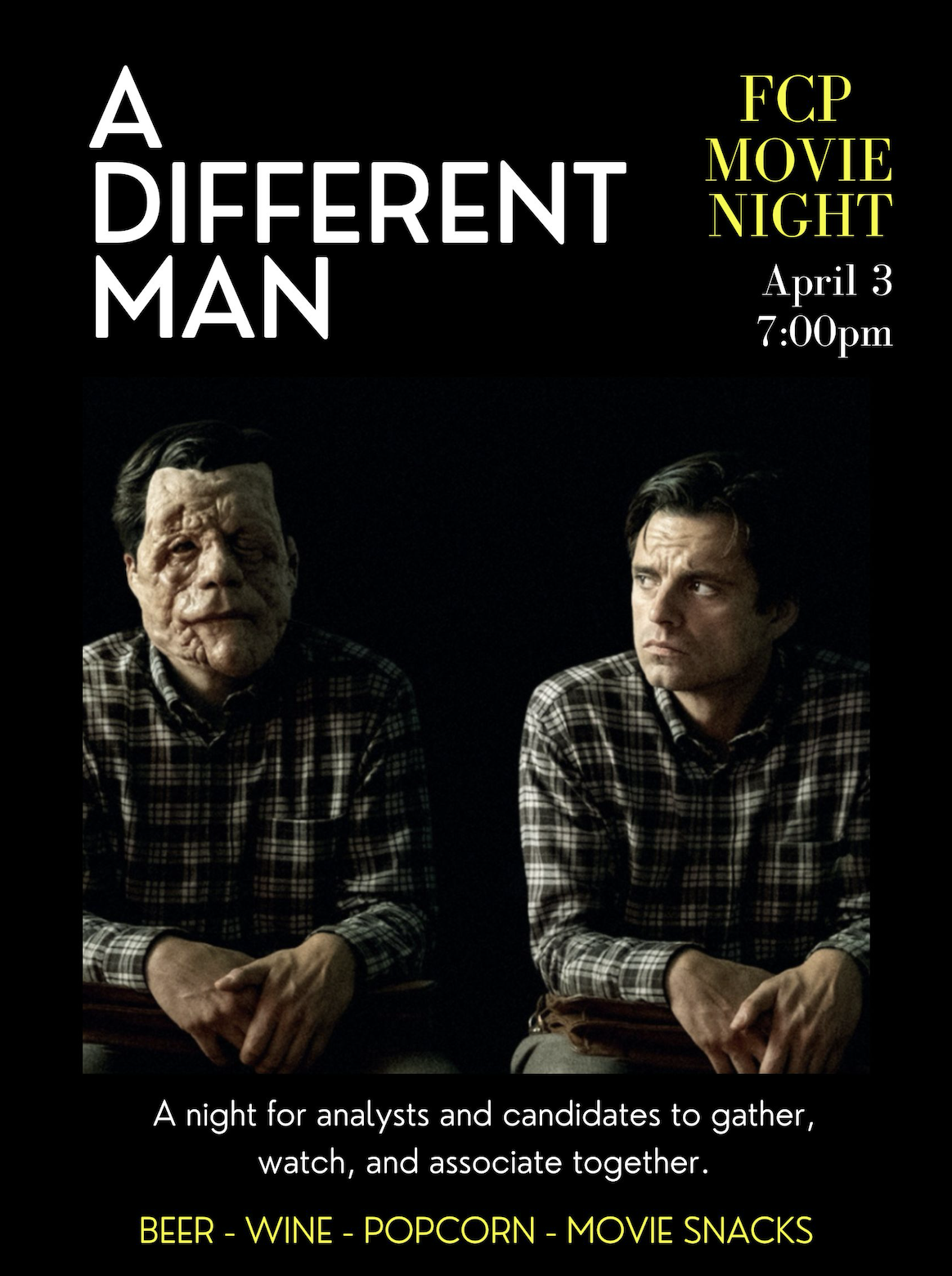
FCP Fellows Host a Movie Night: A Different Man

Join the Foundation for Community Psychoanalysis’ (FCP) Inaugural Fellows for a screening of A Different Man, followed by a lively psychoanalytic conversation exploring themes of identity, masking, the gaze, and the longing to belong in an image-saturated culture.
Drawing on the work of Winnicott, Lacan, and other analytic thinkers, we’ll consider how the film speaks to enduring clinical questions — the True and False Self, narcissistic injury, doubling, envy, and the tension between appearance and authenticity — as well as how these dynamics unfold in our current socio-cultural moment.
In a time when identity is increasingly curated, performed, politicized, and publicly negotiated, this film offers a provocative opportunity to reflect together on what remains constant in psychic life and what feels newly intensified.
We welcome candidates, faculty, and colleagues interested in film, theory, and thoughtful dialogue across perspectives. (Feel free to bring a friend.)
Constellations Open Group
A Hearing Voices Network (HVN) inspired group - incorporating a fundamental belief that there are many ways to understand the experience of hearing voices and other unusual or extreme states.
If you are interested in attending, please contact Siena Froment.
Coming into contact with psychiatric systems can be an experience that leads to stigma and isolation. But what are commonly perceived as symptoms can be understood as forms of knowledge. This is a group to cultivate that knowledge—to discuss values and beliefs, fear and paranoia, seeing and hearing and noticing things that others do not—and to talk about what has happened, what can happen after, and anything else.
In-person on Monday, from 7:15pm - 8:30pm.
Working Group on Community Mental Health
If you’re new to this space, please sign up here! Workers in the institutions of community mental health are especially invited, but all are welcome.
The institutions of community mental health are broken. Clients are captured by the institutional circuit, shuffled between supported housing, jail, hospital, day program, case management, clinic, homeless shelter, and the street. This fragmentation has made “continuity of care” a buzzword, placing hope in the technocratic expansion of surveillance, assessment, and measurement. In reality, workers are left holding the pieces, providing needed care outside our formal work roles and frequently ending up frustrated, dejected, and burnt out.
We are not alone. Though institutions are siloed, our shared work can be an occasion for solidarity. This Working Group will gather workers in many roles and contexts of care. United by our recognition of systemic failure and our desire to build something better, we aim to theorize our work, develop new approaches, and build capacity to put them into practice. We will draw on our own experience, contemporary scholarship, and historical precedents to resist the dehumanizing effects of the status quo and put forward alternatives.
The Working Group will be facilitated by Dr. Christopher Landry.